How to Build a Scalable Cash Flow Forecast That Adapts to Market Changes
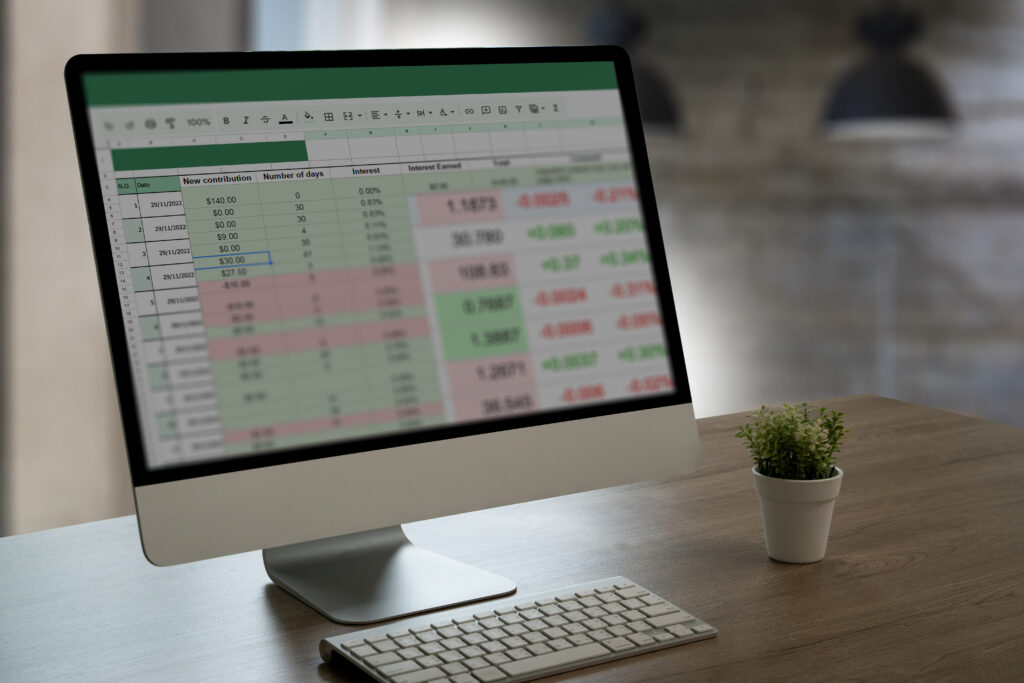
Forget the old cash flow spreadsheets that collapse under pressure. You need a scalable cash flow forecast that grows with your business and shifts as markets do. Building a driver-based, rolling forecast isn’t just for CFOs anymore—it’s the foundation for confident decisions across multiple entities. In this post, you’ll learn a practical framework to create a dynamic forecasting system that keeps your cash runway clear and your strategy sharp.
Building a Scalable Cash Flow Forecast
Creating a scalable cash flow forecast means having a system that adapts with your business. As you grow, your cash management becomes more complex, requiring a flexible model.
Understanding Driver-Based Models
Driver-based models focus on key variables that influence your cash flow. These are the levers you pull to see how changes affect your financial outcomes. They allow you to project cash flow under different conditions, giving clearer insights.
Imagine adjusting sales growth rates or cost structures to see immediate impacts on cash. This flexibility helps in making informed decisions. By focusing on these drivers, you can align your forecast with real business scenarios, making it easier to spot trends and react quickly.
Benefits of a Rolling Forecast
A rolling forecast continuously updates your financial outlook. Unlike traditional forecasting, it doesn’t rely on static yearly budgets. Instead, it provides an ongoing view of your cash position.
This continuous update helps you respond to shifts in your business environment. For instance, if market conditions change, you can revise your projections to see the effect on your cash flow. This approach ensures you’re not caught off guard by unexpected changes. It’s about staying proactive rather than reactive.
Adapting to Market Changes
In today’s business world, market changes are inevitable. Your forecast needs to be agile to respond effectively.
Scenario Planning Techniques
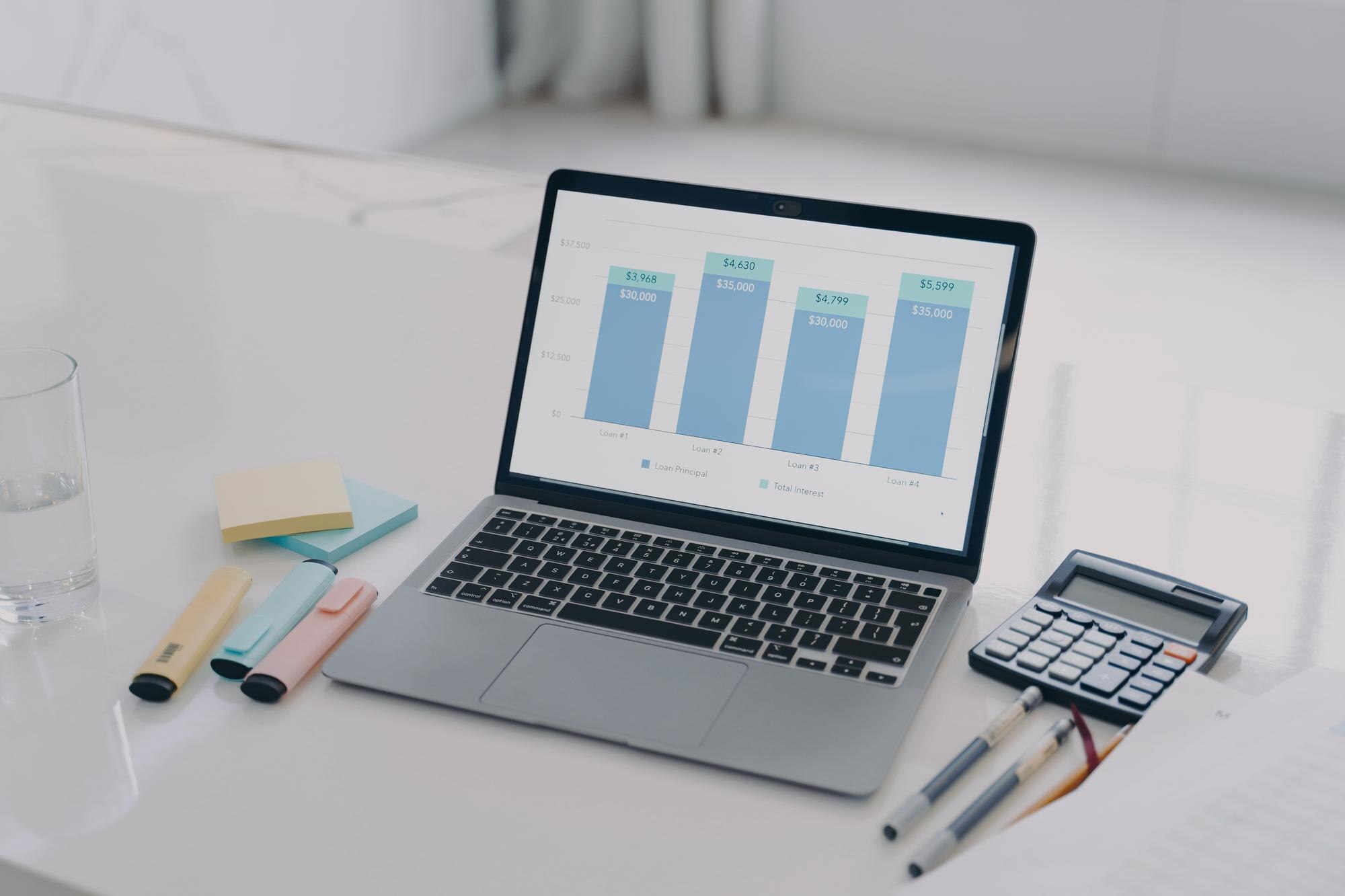
Scenario planning involves creating multiple financial scenarios based on different market conditions. This strategy allows you to prepare for various outcomes, whether it’s a surge in demand or an unexpected downturn.
Consider three scenarios: best-case, worst-case, and most likely. Each scenario helps you anticipate potential challenges and opportunities. By preparing these scenarios, you can plan how to allocate resources efficiently. It’s a strategic way to safeguard your business against uncertainty.
Conducting Sensitivity Analysis
Sensitivity analysis examines how changes in one or more inputs impact your forecast. This method helps you identify which variables most affect your cash flow, enabling you to focus on what matters most.
For instance, if a 5% change in cost structures significantly alters your cash flow, you know to monitor these costs closely. This analysis empowers you to make adjustments before small issues become major problems. It’s about knowing which dials to turn to keep your finances on track.
Effective Multi-Entity Management

Managing multiple entities requires a robust system that keeps everything aligned.
Consolidated Reporting Strategies
Consolidated reporting brings together financial data from all your entities, providing a comprehensive view of your business. This approach simplifies decision-making by presenting a unified picture of your financial health.
By consolidating reports, you can easily track performance across different entities. This clarity helps in identifying areas of improvement and ensuring all parts of your business are working towards the same goals. It’s about creating synergy in financial reporting.
Utilizing KPI Dashboards for Insights
KPI dashboards offer real-time insights into your business performance. They track key performance indicators, making it easy to spot trends and measure success.
With dashboards, you can monitor cash flow, profitability, and other crucial metrics. They provide a snapshot of your business health, helping you make data-driven decisions. Investing in a good dashboard system is vital for staying informed and agile. It’s about having your finger on the pulse of your business at all times.
Ready to gain clarity and strengthen your financial operations? Schedule your strategy call today.