

A CEO’s Playbook: Maximizing Profitability with Data-Driven Decisions
Most CEOs rely on gut instinct over clear data—and it costs them millions in missed profit. You need more than raw numbers; you need a system that turns financial data into precise actions that expand margins and improve cash flow. This post lays out how to make data-driven financial decisions that maximize profitability, with strategies and tools designed for CEOs managing complex businesses.
Turning Data into Profit
To boost profits, you need to transform raw data into actionable insights. This section explores how unit economics, KPIs, and pricing can guide you.
Leveraging Unit Economics
Start by understanding unit economics. It’s a method to analyze profitability at the most granular level. You can break down revenue and cost for a single unit, such as a product or service. This helps identify which products contribute most to your bottom line. For example, if each unit sold generates $10 in profit and you sell 1,000 units, that’s a clear $10,000 profit.
Most people overlook the power of unit economics, but knowing your contribution margin—the amount each unit adds to profit after variable costs—guides smarter decisions. With this data, you can assess which products or services deserve more focus. Remember, precise data beats vague estimations every time.
Building a KPI Dashboard
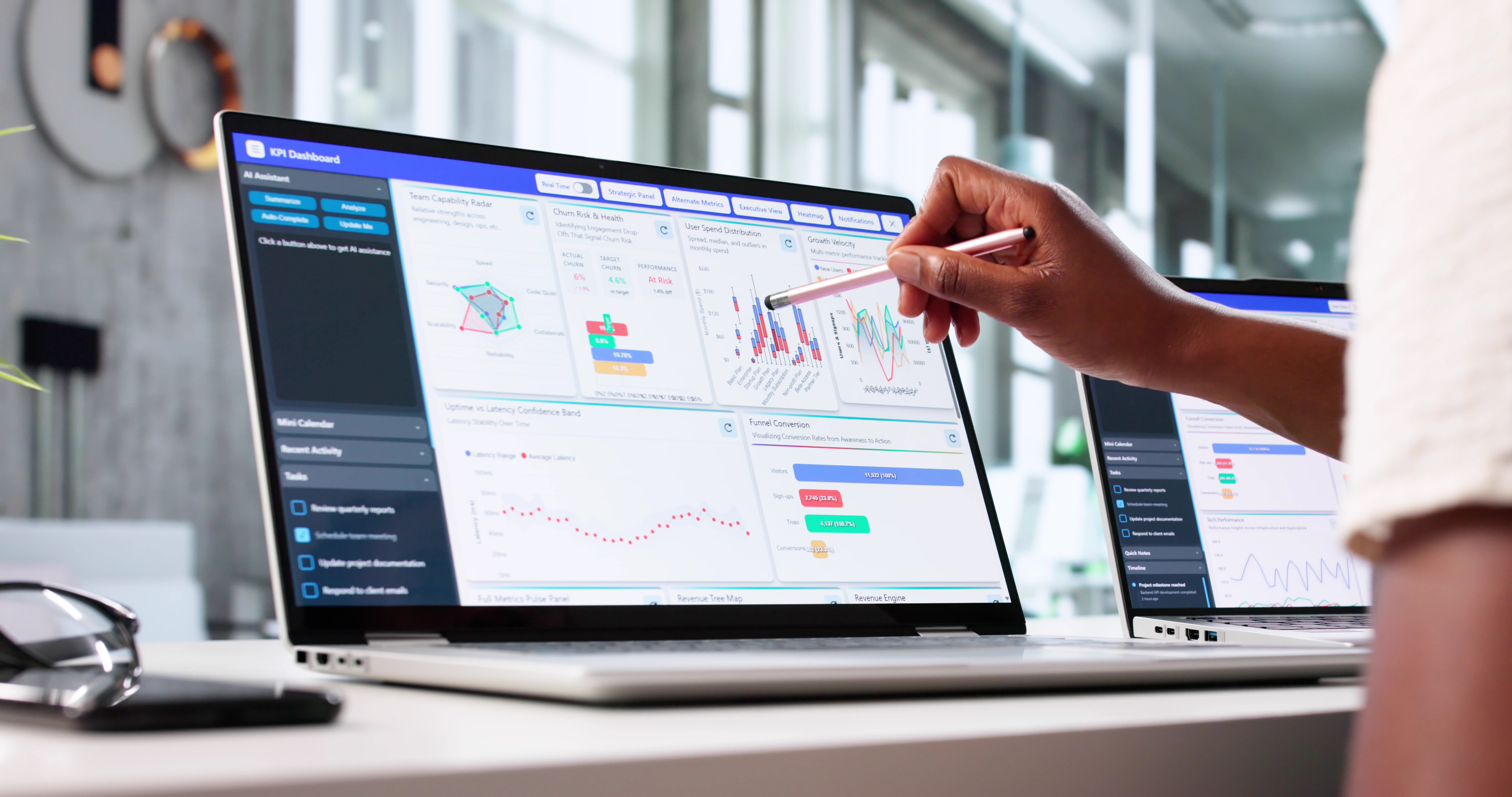
Creating a KPI dashboard is essential for tracking what matters. Dashboards visualize key performance indicators, offering real-time insights into your business health. They keep your team aligned on goals and priorities.
Build your dashboard around metrics that matter most to your business, such as sales growth or customer acquisition cost. Avoid overwhelming it with too many indicators. Focus on those that directly impact strategic goals. A well-designed dashboard helps you make informed decisions without sifting through mountains of data.
Strategic Pricing Approaches
Pricing is a powerful lever for profit maximization. Yet, many CEOs underestimate its impact. A small tweak in price can significantly boost your profitability analysis. Consider dynamic pricing strategies that adjust based on demand, competition, or cost changes.
Experiment with different pricing strategies to find what aligns with your business goals. For instance, value-based pricing can help capture more value from your premium products. Keep testing and refining to discover what resonates best with your customers.
Optimizing Cash Flow

Improving profitability requires keeping a close eye on cash flow. This section dives into forecasting, planning, and accounting strategies that bolster liquidity.
Cash Flow Forecasting Techniques
Cash flow forecasting is a must for any CEO aiming to maintain liquidity. Predicting cash inflows and outflows helps avoid surprises and ensures you have the funds to cover obligations. Start by analyzing past patterns and adjusting for future expectations.
A detailed forecast reveals potential shortfalls and helps you plan for them. Consider using software tools that automate data collection and analysis. Accurate forecasting allows you to make proactive decisions, securing the financial health of your business.
Scenario Planning for Growth
Scenario planning helps you prepare for different growth trajectories. By modeling various scenarios, you can anticipate challenges and opportunities. This proactive approach makes your business more resilient.
Identify key variables that could affect your business, such as market trends or regulatory changes. Then, create scenarios based on these factors. With a plan in place, you’re better equipped to navigate uncertainties and capitalize on growth opportunities.
Multi-Entity Accounting Insights
If you manage multiple entities, you know the complexities involved. Multi-entity accounting provides clarity and control across your operations. It ensures consistent reporting and financial oversight.
Consolidate your financial data into a single view to gain insights across your entities. This approach simplifies intercompany transactions and enhances visibility. With clear insights, you can make strategic decisions that drive growth and profitability.
Advanced Financial Reporting

Advanced reporting turns data into strategy. This section covers the benefits of consolidation, visibility, and automation in financial reporting.
Consolidated Reporting Advantages
Consolidated reporting is essential for businesses with multiple operations. It combines financial data from all entities into one comprehensive report. This holistic view enhances decision-making and strategic planning.
With consolidated reports, you can identify trends that individual reports might miss. They offer a clearer picture of your overall financial health, enabling you to make well-informed decisions. Consolidation transforms complex data into a strategic asset.
Enhancing CEO Metrics Visibility
Visibility into metrics is crucial for CEOs to steer their companies effectively. When you have access to the right metrics, you can make decisions with confidence. Enhance your CEO metrics dashboard to track performance against strategic goals.
Focus on key metrics such as revenue growth, profitability, and cash flow. A clear view of these metrics provides the insights needed to drive your business forward. Regularly update and refine your metrics to align with evolving business priorities.
Automation in Management Reporting
Automation streamlines management reporting, reducing manual effort and errors. It ensures timely and accurate financial insights, enabling better decision-making. Automating data collection and reporting frees up time for strategic analysis.
Consider adopting software solutions that integrate with your existing systems. These tools automate routine tasks, allowing your team to focus on strategic initiatives. Automation is not just a time-saver; it’s a strategic advantage that enhances financial visibility and control.
Each of these techniques and tools is a step toward making smarter, data-driven financial decisions. By implementing them, you can maximize profitability and set your business on a path to sustainable growth.
Ready to gain clarity and strengthen your financial operations? Schedule your strategy call today.